1. Home
  2. >
  3. Learning
  4. >
  5. Curriculum

Curriculum

Take a look at our exciting curriculum in action.

Our Curriculum Approach

Intent: The Vision, Values and Drivers that Shape the Curriculum

Underpinning our Vision and Values, we have the following aims:

  • We believe that we will provide a happy and safe learning community.
  • We believe that we will nurture and inspire each other to achieve our best.
  • We believe that we will strive to build independence and develop responsibility through a life-long love of learning.
  • We believe that everyone will be motivated to achieve their full potential now and for their future.
  • We believe that we will immerse everyone in exciting challenging learning through the delivery of inspirational and innovative opportunities.

The main curriculum driver that will shape our curriculum is ‘Aspirations’ – this is about possibilities and allowing children to have high ambitions for the future – it drives all of the curriculum areas.

The Curriculum Offer

Click on each subject area to find out more information, explaining how they are implemented and how we know the impact.

More information about the curriculum can be found by clicking on the individual subject pages; by clicking on the Parent Leaflet page here or by contacting the class teacher.

Learning Skills and Growth Mindset

Expanding box opened – preview Closed on page load
Learning Skills and Growth Mindset

Through the provision of rich and varied activities, we aim to:

  • Enable pupils to securely acquire a broad range of knowledge, skills and understanding;
  • Enable pupils to make connections across areas of learning, to think creatively and solve problems;
  • Encourage pupils to work hard with a positive attitude and motivation to succeed;
  • Encourage pupils to seek and be resilient to challenge, and to learn from their mistakes;
  • Develop pupils’ capacity to learn and work both independently and in collaboration with peers.
Expanding box opened – preview Closed on page load
Whole School Approach

You may have heard your children talking about how they have used the ‘Lightning Bolt Effect’ at school! This is our very own approach developed with the children in our school. We celebrate that mistakes are learning in school and this process identifies their own learning journey, which allows them to reflect effectively to identify mindset tools, required to succeed.

We want our children to understand that nothing comes easily without effort, motivation and perseverance. With the implementation of the ‘Lightning Bolt Effect’ our children will have mind set tools to assist their development, decision making and aspirations for the rest of their lives.

The Lightning Bolt Effect is the learning journey of which a child experiences. The awareness of Leader Stopping Points are crucial to a child’s learning and within planning opportunities. It is paramount that these are guaranteed in order for a child to exercise, build and add to their mindset tools.

A mindset can be static (fixed) or developing (growth). The application of mindset tools at Leader Stopping Points throughout a child’s growth mirrors how effectively the mindset is developing. This in turn will affect the final learning, emotional or behavioural outcome.

Learning behaviours and attitudes are integral elements to our classroom practise and ethos of the school. We strive towards in giving our children the mindset tools to have belief in their actions that will result in them achieving anything they want and instilling the view that anything is possible!

This process has influenced all of our minds in a Lightning Bolt manner. Understanding the steps needed in learning to learn, will therefore create change and excitement in what evolves next.

Expanding box opened – preview Closed on page load
Learning Behaviours

At Market Drayton Junior School we want children to become successful learners. To help them develop the necessary skills the children are introduced to eight learning behaviours. During our Friday assembly, the children are awarded certificates, which focus on the learning behaviour they have demonstrated during their lessons.

In addition, the children are taught that:


Successful people feel good about:

  • How hard they have tried.
  • Who they are and what they spend their time doing.
  • The choices they have in their lives.


Here are some things everyone should know…

  • You are not born successful.
  • Everyone has setbacks and failures. First Attempt In Learning
  • The first step to success is choosing.


Behaviour Learning Traits
  • Not afraid to try- I can do attitude
  • Extend comfort zone
  • Be proactive– thinking ahead for challenges
  • Use your initiative– power to follow through with a plan or task
  • Explore and try new: approaches, methods, ideas, clubs, activities
  • Try your best at all times
  • Understand that nothing comes easily
  • Be self motivated– complete homework and tasks
  • Take pride and responsibility for own Learning
  • Use time effectively and finish
  • Tune out distractions
  • Maintain focus and purpose
  • Develop relaxing techniques from a world of technology
  • Prioritise – What’s needed first/ next?
  • Organise thoughts and resources
  • Take risks and challenge yourself
  • Be ambitious
  • Push through personal doubt
  • Set personal goals and targets
  • Make challenging decisions when given the choice in your own learning.
  • Think outside the box!
  • Share ideas and magpie
  • Be flexible and adaptable
  • Make links– connect learning
  • Be curious and inquisitive
  • Evaluate and improve
  • Practice, practice, practice!
  • Build on learning– learn from errors
  • Be prepared for setbacks
  • Understand your next steps and how to achieve these
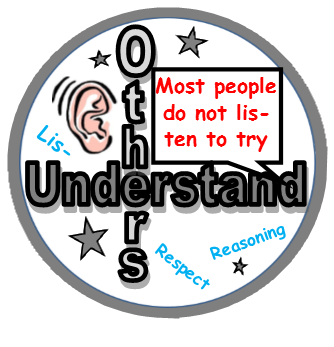
  • Listen carefully and respond thoughtfully with supporting reasons
  • Be respectful of others
  • Question the world around you
  • Display empathy and value others
  • Work collaboratively: learning partners, groups, teams.
  • Believe in yourself!
  • evelop staying power– don’t give up
  • Be competitive yet encourage others
  • Display resilience– recover quickly
  • Apply different strategies to continue learning and find answers
Expanding box opened – preview Closed on page load
Assessment

From September 2014, along with the introduction of the New Primary National Curriculum the government’s assessment reforms came into force; these included:


National Curriculum Levels were removed and not replaced

The new National Curriculum programmes of study set out what pupils should be taught by the end of each key stage and schools were required to design their own curriculum around this.

Schools needed to decide on a new method of assessing pupils and how they would track pupils’ progress using the performance descriptors linked to the new curriculum.

(Note: Statutory National Curriculum tests at key stages 1 and 2 continued. The first tests based on the new National Curriculum took place in summer 2016)


Why do we assess?

Our assessment provides valuable information to help children, teachers, parents and school leaders to acknowledge, analyse and review achievements and progress in learning against age related expected standards. Assessments are then used to inform planning to support our children to maximise their potential.


Market Drayton Junior’s Tracking System

At Market Drayton Junior School children will be assessed against governmentally determined age-related expectations, these will be translated into the following:

Below: Working below the year group expectations.

WTS: Working towards the year group expectations.

EXS: Working at the expected standard for the year group.

GDS: Working at a greater depth for the year group.


Under the old levels system children who were exceeding might have moved into the next level. In line with DfE guidance we now want children who are in the exceeding bracket to add more depth and breadth to their knowledge, and have more opportunities to develop their using and applying skills. Only in exceptional circumstances will children move into working towards the end of year expectations from the year above. Similarly, children who struggle to meet expectations may work towards the expectations from the year or two years below.

© Market Drayton Junior School 2026
Kiskadoo websites for Education