Our Values in Geography
Collaboration |
Respect |
|
|
Aspirations |
Positivity |
|
|
As Geographers we want children to

[/wpcp_useyourdrive]
Intent
Our curriculum for geography aims to ensure that all pupils:
- develop contextual knowledge of the location of globally significant places – both terrestrial and marine – including their defining physical and human characteristics and how these provide a geographical context for understanding the actions of processes;
- understand the processes that give rise to key physical and human geographical features of the world, how these are interdependent and how they bring about spatial variation and change over time;
are competent in the geographical skills needed to:
- collect, analyse and communicate with a range of data gathered through experiences of fieldwork that deepen their understanding of geographical processes;
- interpret a range of sources of geographical information, including maps, diagrams, globes, aerial photographs and Geographical Information Systems (GIS);
- communicate geographical information in a variety of ways, including through maps, numerical and quantitative skills and writing at length.
Implementation
How do we deliver the geography curriculum?
Progression and structure through the geography curriculum is supported by a ‘threshold concepts’. The ‘threshold concepts’ are what pupils should understand and underpin the breadth of study. These include:
- Investigating places
- Investigating patterns in geography
- Communicating geographically
The children return to each concept again and again through each area in the curriculum breadth. This helps the children develop as geographers, and secures the concept development into long term memory and allows for progression. This increases their knowledge of the areas of geography over time.
Geography Curriculum Pathway

[/wpcp_useyourdrive]
The following topics are covered
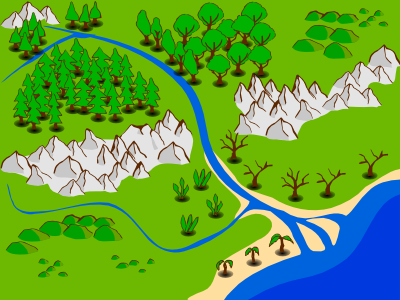
| Y 3 | A river runs through it
Exploring a river’s journey from
|
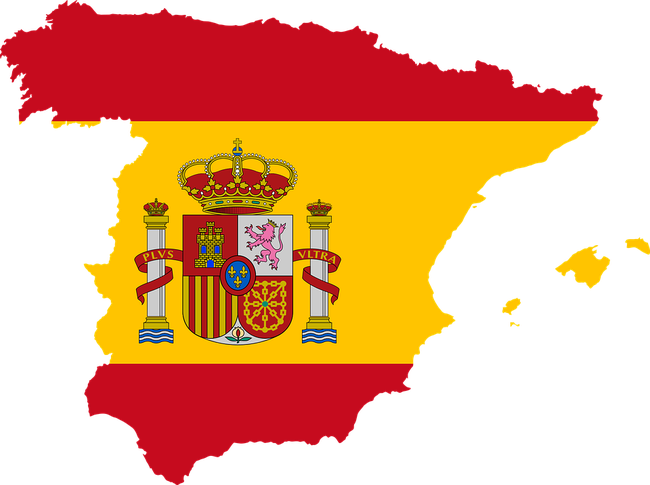
Exploring Spain
Location of Spain and towns / rivers
|
| Y 4 | Food for Thought
Similarities and differences of a region Biomes, settlement and land use. Food, trade and packaging.
|
Charles Darwin linked to explorers
|
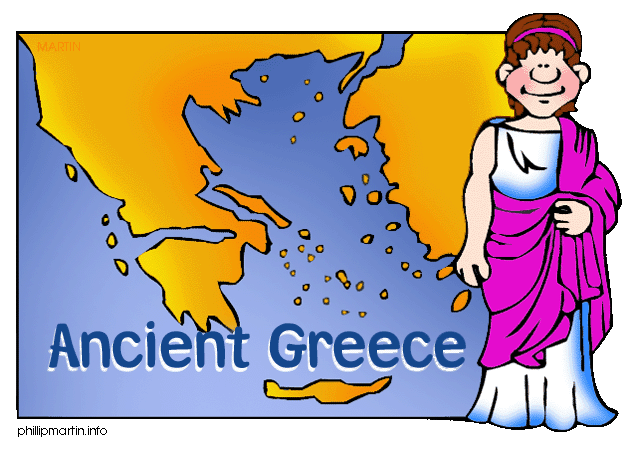
| Y 5 | It’s All Greek to Me!
Where Greece is today.
|
Peaks, Eruptions and Tremors
Mountains, volcanoes and earthquakes
|
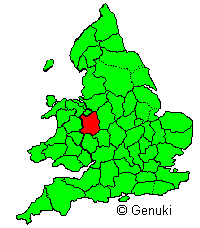
| Y 6 | Over the Border
Mini comparison of Market
|
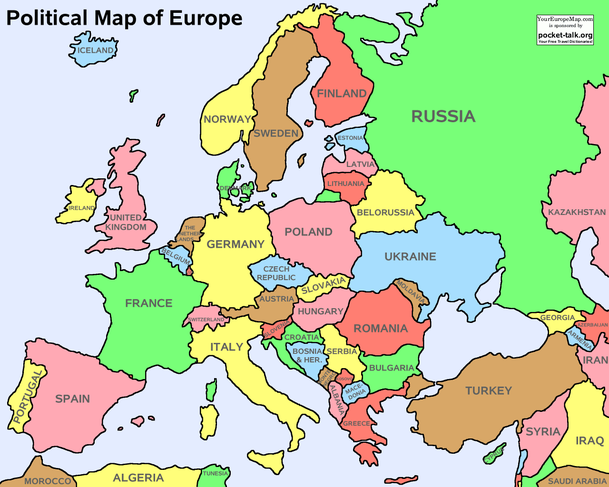
European Study
UK & European comparison of human & physical features (economic activity and trade links)
|
Geography Enquiry Questions
[/wpcp_useyourdrive]
Links to other subjects
Where appropriate the teaching of our design and technology curriculum is linked to other curriculum areas. Here are some of the ways we link design and technology to other subjects:
| Subject | How design and technology may be linked to other areas of the curriculum |
| English | Texts being studied in English can act as a stimulus for the children, providing a context for their project. For example, in Year 3, as part of their work on The Seal Surfer, the children are required to design a viewing platform.
With the nature of design and technology, there is a wide range of technical vocabulary for the children. It is important that the children are familiar with these and are able to understand these and communicate using them. When evaluating a project, the children have the opportunity to communicate, in writing, the successfulness of it. There are also opportunities to write instructions or write persuasively about their designs. |
| Maths
|
Using the knowledge of measures is really important in design and technology, children are required to measure accurately to ensure varying materials are cut to size. During food units, children are use measuring skills for the ingredients required as well applying ratios when adjusting recipes. Teachers carefully ensure that the mathematical skills required are commensurate for the children’s expectations. |
| Science | To make STEM links there are a number of projects across school which link with the work children are studying or have studied in their science topics. The children’s knowledge of materials is applied when selecting the material to use for a project e.g. waterproofing. Knowledge of forces and electronics are applied during the designing of fairground rides. |
| Art | Art plays an important role in the children’s design and technology work as it is important that their artistic skills are applied to the products they are designing to ensure they are aesthetically appealing to the intended user of their final designs. |
| History | As part of the children’s work on Ancient Greece and World War One, the children have the opportunity to link this work into their production of their cam toys (Year 5) and cushions (Year 6) |
| Geography | In Year 3 the children research a range famous and architectural significant designs of bridges from around the world. As part of Year 5’s study of mountains the children are required to design a shelter for a mountaineer or hide. During food topics, the children consider where ingredients originate from as well as looking at foods from different countries, e.g. different types of soups from around the world. |
| Computing | As a school, we are currently introducing computer aided design to work alongside our existing topics to ensure they meet the needs of a fast developing technological age. |
| P.S.H.E.E. | To enhance collaboration during the design stage of a product incorporating into a number of units the use of 4×4 design tool to enable each child to have a voice and input. As a result, the children have to appreciate the views of others and all ideas are represented in the final design.
During the making stage of a product the children often work collaboratively, this requires them to co-operate, support and appreciate each other. |
Special Education Needs in Geography
How do we ensure all children can access geography lessons?
Effective quality first teaching is the key to enabling all children to participate and develop their geographical knowledge and skills. Differentiation within lessons is a vital component to ensure that a balance of support and challenge are achieved for all abilities. This is the same in every subject and differentiation is adjusted as expectations of individual pupils rise through progress. Challenge and support specific to geography may include; varying the types of sources used, first hand experiences, some pre-teaching as well as using more advanced vocabulary or providing picture clues and definitions for those needing more support.
Pupils not secure within a lesson sequence are noted and adjustments made to the differentiation or level of support given. (Similarly, added challenge is given if pupils are identified as requiring it.) Mini plenaries throughout lessons help to identify these children. This may be noted by the teacher through questioning or the use of written work.
Geography Knowledge Organisers
What will I need to learn in geography?
[/wpcp_useyourdrive]
Links to other subjects
Where appropriate the teaching of our Geography is linked to other curriculum areas. Here are some of the ways we link Geography to other subjects:
| Subject | How geography may be linked |
| Guided Reading |
Maps of the world are used at the front of Guided Reading books to make location/ecological links between comprehension texts and the world. |
| Art | Using a countries culture and geographical features to inspire paintings and collage, drawings used to illustrate concepts like tectonic plate movements, watercolours rivers and landscapes with use of perspective, collaborative focus on residential trip, landmarks used to inspire 3D work. |
| Maths | Use of keys, co-ordinates, scales on maps. Measurements and distances to places. Recording information using charts, tallies and graphs. |
| Design
Technology |
Making soups, looking at different seasons and where things come from.
Design and make viewing platforms and explore where they are used all over the world. Making bread from different countries. |
| History | Visit to the River Severn museum. Exploring the Roman invasion across Europe. |
| Modern
Foreign Languages |
European day of languages which involved locating a chosen country on a map, locating cities and landmarks. |
| PE | Orienteering which involves using map work skills. |
| Science | Exploring fossils and where in the world they have been found. Environment changes and the dangers to living things. |
Impact
Through the explicit teaching of the Geography skills, both the teachers and the pupils assess their learning continuously throughout the lesson. To help children get to a deep level of understanding we use quizzes and knowledge dumps that we return to again and again. The pupil knowledge organisers set out the basic knowledge that we want children to know at the end of each topic. Over time, children develop each of our ‘threshold concepts’. It takes a two-year period to get a deeper level of understanding at the appropriate age, this is linked to an age appropriate ‘milestone’.
Not only do we want children to acquire the appropriate age related knowledge linked to the Geography curriculum, but also to embrace a curiosity and fascination of the world that will stay with them through their lives. We understand how it has never been more important for pupils to have an extensive global understanding and respect for our world and the cultures and people that inhabit it.
Displays showing our learning in Geography
[/wpcp_useyourdrive]